
Pakistan launches India-watching satellites

Nov 5, Thursday


Pakistan launches India-watching satellitesTop Stories

June 16, 2026 14:53
Pakistan launches India-watching satellites

(Image source from: Puthiyathalaimurai.com)

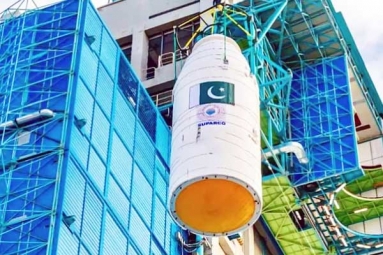
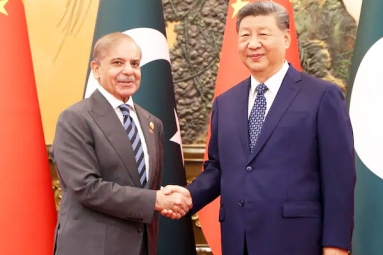
Pakistan's quickly growing satellite monitoring network is attracting attention in New Delhi, while the Indian Space Research Organisation (Isro) is moving forward with an ambitious plan to improve India's own navigation system, NavIC. In the last 16 months, Pakistan has sent six Earth-observing satellites into space, greatly boosting its ability to track activities in the area. Most of these launches have happened with substantial support from China, marking a big advancement for Pakistan's space program. This expanding group of satellites is likely to give Pakistan more regular images, better surveillance abilities, and an improved understanding of its borders. The increase in satellites has sparked conversations within India's defense and security groups. Although India still holds a significant advantage in satellite launches, deep-space missions, communication satellites, and remote-sensing technology, Pakistan's recent emphasis on surveillance satellites has closed an important gap in collecting space-based intelligence.

Meanwhile, India is facing issues with its regional navigation satellite system, NavIC (Navigation with Indian Constellation). NavIC was created as India's alternative to GPS, aiming to deliver precise positioning, navigation, and timing services in India and nearby areas. However, several technical problems related to satellite atomic clocks and aging spacecraft have impacted the long-term robustness of the system. Isro has put together a multi-step recovery plan to bring NavIC back to full operational status and keep it dependable for both civilian and strategic users.

An important part of this strategy is launching the next generation of the NVS satellite series. The new satellites — NVS-03, NVS-04, and NVS-05 — are meant to replace the old ones and enhance the overall system. These satellites will also add support for the L1 frequency band, making NavIC work better with various commercial devices and global navigation systems. One of the most important technological improvements involves using homegrown atomic clocks. Previous NavIC satellites struggled due to issues with imported atomic clock systems, raising concerns about long-term dependability.

In reaction, Isro has successfully created its own rubidium atomic clocks, which are vital technology that only a few countries have. The first of these locally produced clocks has already been launched on NVS-01, marking a significant step in India's goal to lessen reliance on imports. Upcoming NVS satellites will keep using these native systems, enhancing strength and dependability. Although the recovery plan has been in the works for a while, Isro is now facing a significant launch delay as it looks into the consecutive failures of two PSLV missions. The space organization has not yet publicly revealed the specific reasons for the issues or explained the fixes being implemented to get the workhorse rocket flying again. Until the PSLV is authorized to resume operations, Isro has the challenging job of prioritizing missions in a launch schedule that is becoming more packed. Several important projects, such as key satellites to replace NavIC, are waiting for approval to move forward.

Experts in space comment that these changes illustrate two distinct paths in the growing space competition in South Asia. Pakistan is quickly broadening its surveillance capabilities with help from China, while India is concentrating on enhancing crucial systems that support navigation, defense activities, transportation, and national safety. As the competition in space becomes more of a strategic need rather than just showing off technology, Isro's plan to recover NavIC may be just as crucial for India's future abilities as the new surveillance satellites are for Pakistan's increasing space goals.


If you enjoyed this Post, Sign up for Newsletter

(And get daily dose of political, entertainment news straight to your inbox)

Rate This Article
(0 votes)
Pakistan launches India-watching satellites | Pakistan News

Pakistan launches India-watching satellites

Nov 5, Thursday


Pakistan launches India-watching satellitesTop Stories

June 16, 2026 14:53
Pakistan launches India-watching satellites

(Image source from: Puthiyathalaimurai.com)

Pakistan's quickly growing satellite monitoring network is attracting attention in New Delhi, while the Indian Space Research Organisation (Isro) is moving forward with an ambitious plan to improve India's own navigation system, NavIC. In the last 16 months, Pakistan has sent six Earth-observing satellites into space, greatly boosting its ability to track activities in the area. Most of these launches have happened with substantial support from China, marking a big advancement for Pakistan's space program. This expanding group of satellites is likely to give Pakistan more regular images, better surveillance abilities, and an improved understanding of its borders. The increase in satellites has sparked conversations within India's defense and security groups. Although India still holds a significant advantage in satellite launches, deep-space missions, communication satellites, and remote-sensing technology, Pakistan's recent emphasis on surveillance satellites has closed an important gap in collecting space-based intelligence.

Meanwhile, India is facing issues with its regional navigation satellite system, NavIC (Navigation with Indian Constellation). NavIC was created as India's alternative to GPS, aiming to deliver precise positioning, navigation, and timing services in India and nearby areas. However, several technical problems related to satellite atomic clocks and aging spacecraft have impacted the long-term robustness of the system. Isro has put together a multi-step recovery plan to bring NavIC back to full operational status and keep it dependable for both civilian and strategic users.

An important part of this strategy is launching the next generation of the NVS satellite series. The new satellites — NVS-03, NVS-04, and NVS-05 — are meant to replace the old ones and enhance the overall system. These satellites will also add support for the L1 frequency band, making NavIC work better with various commercial devices and global navigation systems. One of the most important technological improvements involves using homegrown atomic clocks. Previous NavIC satellites struggled due to issues with imported atomic clock systems, raising concerns about long-term dependability.

In reaction, Isro has successfully created its own rubidium atomic clocks, which are vital technology that only a few countries have. The first of these locally produced clocks has already been launched on NVS-01, marking a significant step in India's goal to lessen reliance on imports. Upcoming NVS satellites will keep using these native systems, enhancing strength and dependability. Although the recovery plan has been in the works for a while, Isro is now facing a significant launch delay as it looks into the consecutive failures of two PSLV missions. The space organization has not yet publicly revealed the specific reasons for the issues or explained the fixes being implemented to get the workhorse rocket flying again. Until the PSLV is authorized to resume operations, Isro has the challenging job of prioritizing missions in a launch schedule that is becoming more packed. Several important projects, such as key satellites to replace NavIC, are waiting for approval to move forward.

Experts in space comment that these changes illustrate two distinct paths in the growing space competition in South Asia. Pakistan is quickly broadening its surveillance capabilities with help from China, while India is concentrating on enhancing crucial systems that support navigation, defense activities, transportation, and national safety. As the competition in space becomes more of a strategic need rather than just showing off technology, Isro's plan to recover NavIC may be just as crucial for India's future abilities as the new surveillance satellites are for Pakistan's increasing space goals.

If you enjoyed this Post, Sign up for Newsletter

(And get daily dose of political, entertainment news straight to your inbox)

Rate This Article
(0 votes)