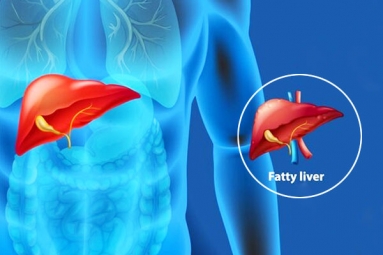

(Image source from: Canva.com)
A recent study published in The Lancet has given a serious alert: Almost 2 billion individuals across the globe may be suffering from metabolic liver disease by the year 2050. This condition, now referred to as metabolic dysfunction-associated steatotic liver disease (MASLD), used to be called non-alcoholic fatty liver disease and has quietly become one of the most prevalent chronic liver issues in the world. Research published in The Lancet Gastroenterology & Hepatology shows that the number of people impacted has dramatically increased over the last thirty years, mainly due to rising obesity rates, lack of physical activity, and more cases of type 2 diabetes. At present, it is estimated that 1.3 billion individuals are affected by this disease, and this number is expected to grow a lot in the future. What makes MASLD particularly alarming is that it often occurs without obvious symptoms until it leads to serious problems like liver cirrhosis or cancer. Health professionals caution that if urgent public health measures are not taken, this growing issue could overwhelm healthcare facilities around the world.
It's important to understand what MASLD is, why it's increasing so quickly, and how it can be prevented to address what is being increasingly referred to as a global metabolic health crisis. Metabolic dysfunction-associated steatotic liver disease (MASLD) happens when excess fat builds up in the liver due to underlying metabolic problems such as obesity, insulin resistance, and diabetes. Clinical studies indicate that MASLD is now one of the most widespread types of chronic liver disease worldwide, impacting about 25-30% of adults. The latest findings from the Global Burden of Disease (GBD) study provide a troubling outlook for the future.
Key observations include:
Approximately 1.3 billion people currently suffer from MASLD globally.
This marks a 143% rise since 1990.
By 2050, cases could increase to 1.8 billion, affecting almost 1 in 5 people around the world.
The study attributes this increase mainly to:
Rising obesity levels
Higher blood sugar levels
Inactive lifestyles.
It is crucial to note that although more individuals are getting this illness, better early identification and treatment may be helping to lessen serious effects for the time being. The increase in MASLD is closely linked to what specialists refer to as the "metabolic epidemic. " High blood sugar is recognized as the top factor contributing to disease issues, followed by high body weight and smoking. Moving to cities, changes in diet towards more processed and calorie-rich foods, and less exercise are major causes. In nations experiencing quick economic changes, like India, the risk is especially elevated. Furthermore, the research indicates a concerning trend where MASLD is affecting younger adults more, not just those who are older. Studies indicate that even small amounts of weight loss can greatly decrease liver fat and inflammation. However, professionals warn that there are currently few approved drugs specifically for MASLD, making lifestyle modifications essential for treatment.
If timely measures are not taken, it could result in a rise in advanced liver disease cases in the future. The prediction that nearly 2 billion individuals could be impacted by metabolic liver disease by 2050 points to a serious worldwide health issue. Fueled by lifestyle changes and metabolic illnesses, MASLD is quickly becoming one of the most significant dangers to liver health around the globe. Although the disease often progresses without noticeable symptoms, its long-term effects can be severe. The solution to reversing this trend depends on early detection, lifestyle changes, and better public health policies. Experts caution that addressing MASLD goes beyond just liver health; it is a key part of tackling the larger global issue of metabolic diseases.